Formwork decisions get expensive fast when sizes, spans, and ratings are guessed instead of checked. This guide lays out what builders in Australia usually need to confirm before ordering sheets, setting joist centres, or signing off a pour. It keeps things practical. And yes, it focuses on Formply the whole way through.
What is Formply and what is it actually used for?
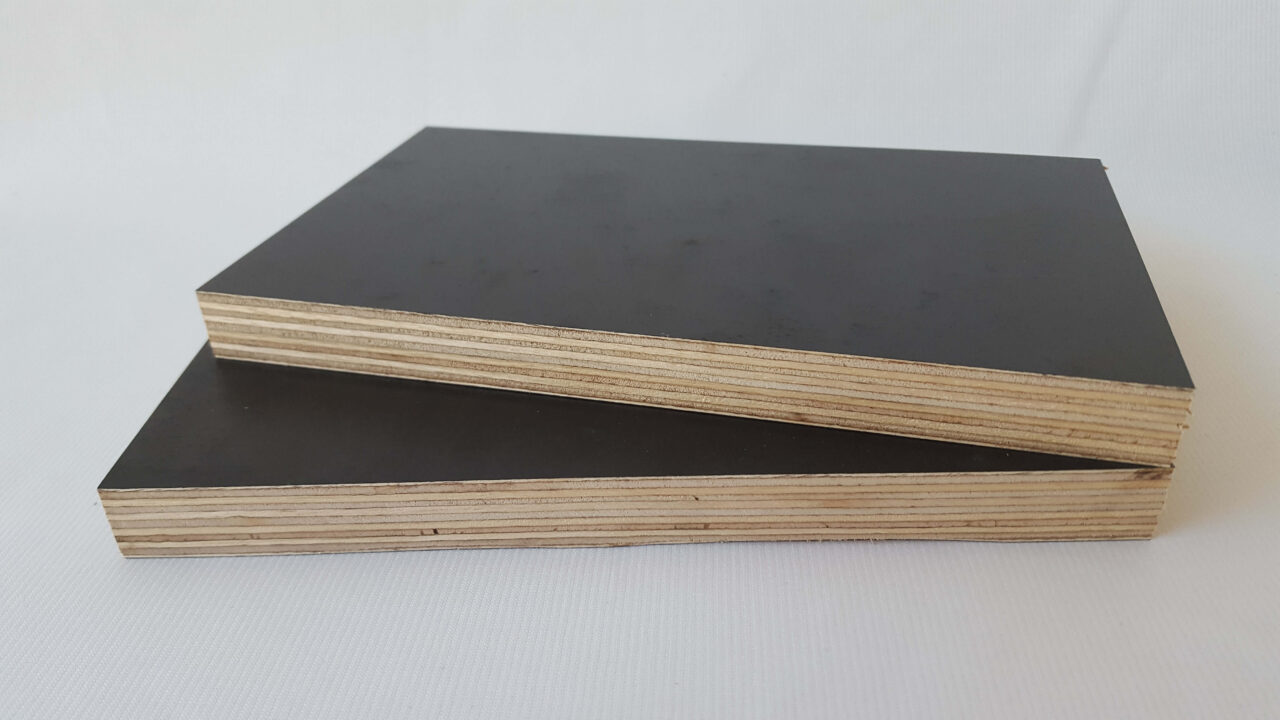
The best formply Australia is a structural plywood made for concrete formwork, where a sealed face helps deliver a smoother finish and better release. In Australia, it is typically used for slab soffits, suspended decks, beams, columns, and wall forms.
It is not just “any ply with a dark face”. The difference is in the bond, durability, face film, and stress grade, which affects how it spans and how many reuses it can realistically take.
What sheet sizes does Formply come in across Australia?
In Australia, Formply is most commonly supplied in 2400 x 1200 mm sheets. Some suppliers also carry 1800 x 1200 mm for smaller jobs or easier handling on tight sites.
Thickness is where the options open up. They will usually see 12 mm, 17 mm, and 19 mm stocked in metro areas like Sydney, Melbourne, Brisbane, Perth, and Adelaide, with 17 mm often being the go-to for general deck formwork.
What thickness should they choose for Formply?
They should choose thickness based on the pour load, joist spacing, and required finish, not just what is cheapest on the day. For lighter duty or closer centres, 12 mm can work. For common suspended slab work, 17 mm is typical. For heavier loads or wider spacing, 19 mm is often considered.
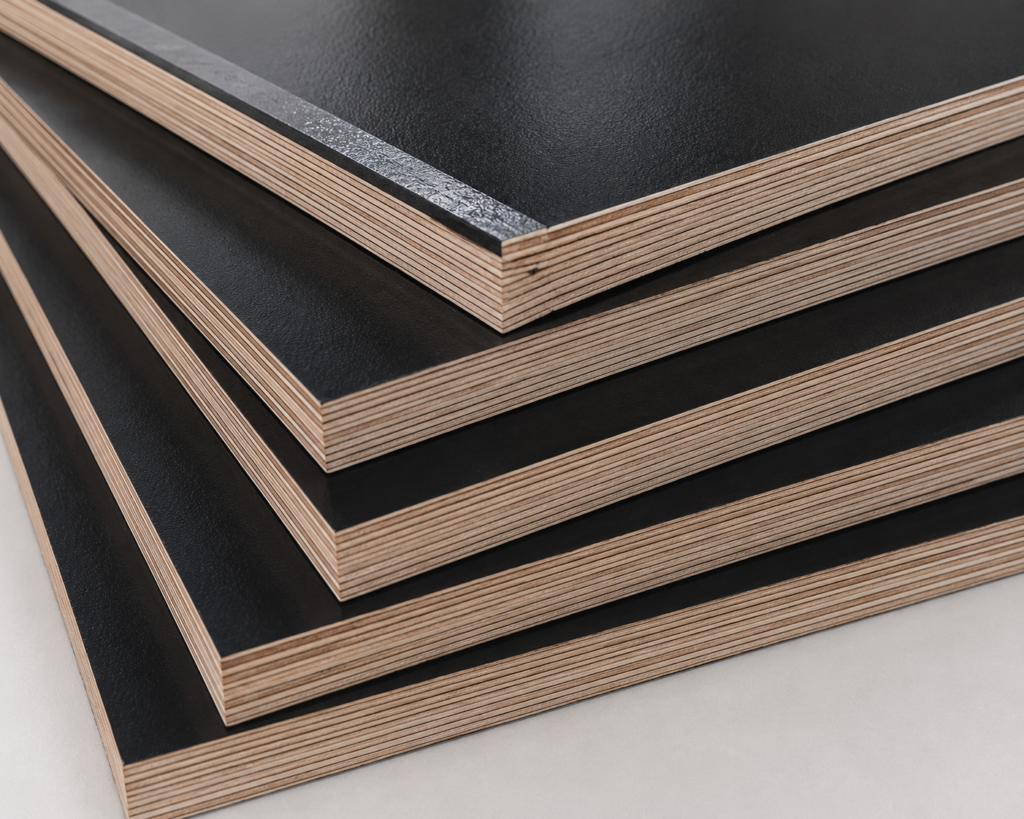
With Formply, the wrong thickness usually shows up as deflection, grout loss at joints, and a slab soffit that needs patching. None of those are fun fixes once the concrete is in.
What stress grades and classifications should they look for?
They should look for a structural stress grade and an Australian relevant compliance pathway, because that is what engineers and certifiers ask for on commercial work. Many projects expect F grade structural plywood, often F17, depending on design requirements.
On real sites, Formply gets specified by the engineer, then value engineered by the builder, then questioned by the certifier. The cleanest path is to keep product literature on file, confirm identification markings on sheets, and match what was approved.
How far can Formply span between joists or bearers?
They should treat span as a design check, not a rule of thumb, because it varies with thickness, load, and support conditions. In practice, manufacturers publish span tables for Formply based on wet concrete loads and construction live loads.
As a general approach, they will tighten joist centres when pours get thicker, when vibration is higher, or when the finish tolerance is strict. When in doubt, they should default to the engineer’s details, not the supplier’s “it should be right”.
What loads need to be considered when sizing Formply for slabs?
They need to consider fresh concrete weight, construction live loads, impact from placement, and vibration. Concrete is heavy. A small increase in slab thickness changes the pressure on the deck quickly, which changes deflection risk.
For Formply decks in Australian conditions, hot weather pours can also affect workability and placement speed, which influences how loads build up. That is why many crews prefer conservative centres rather than chasing speed with wider spacing.
What edge sealing and surface film specs actually matter?
They should care about edge sealing because most sheet failures start at edges and corners. The face film matters because it controls absorbency, abrasion resistance, and the concrete finish. Better films generally mean cleaner strikes and more consistent reuse.
With Formply, cut edges on site should be resealed straight away. In coastal Australian areas, moisture and salt air can shorten sheet life if edges are left raw, even if the face looks fine.
How many reuses can they expect from Formply?
They can expect reuse to depend more on handling than on the label. Careful stripping, cleaning, resealing, and flat storage can stretch life significantly. Rough handling, prying at corners, leaving sheets in mud, or burning them with grinders kills them early.
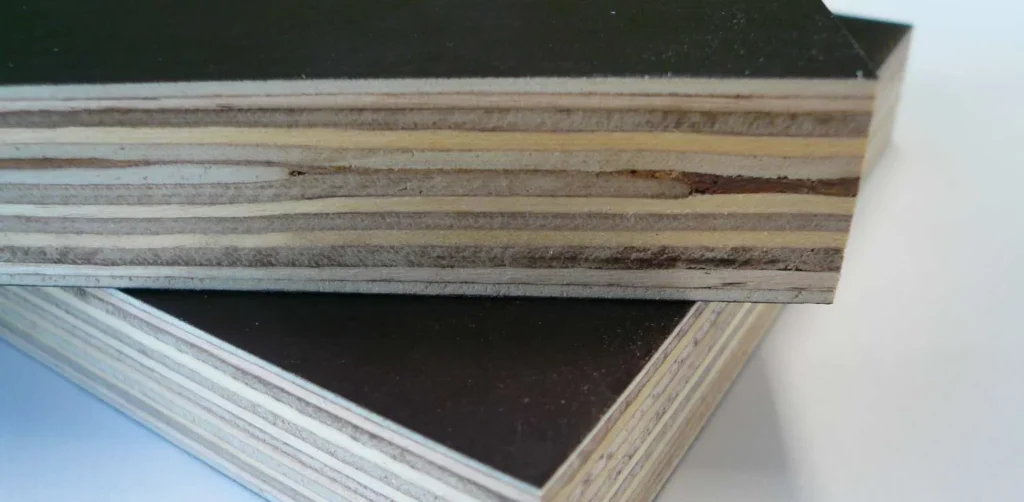
On Australian residential jobs, Formply might be reused a handful of times. On commercial sites with tighter systems and better storage, they may get far more cycles, assuming faces are not punctured and edges stay intact.
What fixings and support details help Formply perform properly?
They should use fixings that hold sheets flat without blowing out the face film, and they should keep supports level to reduce rocking and bounce. Screw spacing, nail choice, and bearer straightness all matter because the sheet only performs as well as its supports.
With Formply, joints should be backed properly so edges do not hang in the air. They should also pay attention to joint alignment, because staggered joints usually reduce visible lines in the concrete soffit.
What are the common Australian compliance and documentation requirements?
They should expect requests for product data sheets, structural grading information, and evidence that the plywood is fit for structural formwork use. On commercial builds in places like Greater Sydney or South East Queensland, documentation gets checked more often than people think.
For Formply, they should keep delivery dockets, batch references where available, and manufacturer literature in the project file. If a substitute product is proposed, they should seek written approval rather than swapping quietly.
How do they choose the right Formply for walls, columns, and beams?
They should pick based on pressure, finish requirements, and bracing, because vertical forms can see higher local pressures than slab decks. The face film and joint tightness matter a lot for walls since blowouts and grout loss are more visible.
With Formply wall forms, they typically use strongbacks, walers, and tie systems designed to control deflection. If the design calls for a high class finish, they will also pay more attention to joint layout and face condition.
What should they check before ordering Formply in Australia?
They should confirm sheet size, thickness, stress grade, face type, edge sealing expectations, and availability in their region, all before the pour is booked. They should also check lead times, because stock can tighten around seasonal peaks.
For Formply, it also helps to confirm whether the supplier provides span tables and handling guidance for the specific product line. That small step can prevent the usual last minute scramble on site, where someone realises the centres do not match the pour load.
What is the simplest way to avoid overpaying or under-specifying?
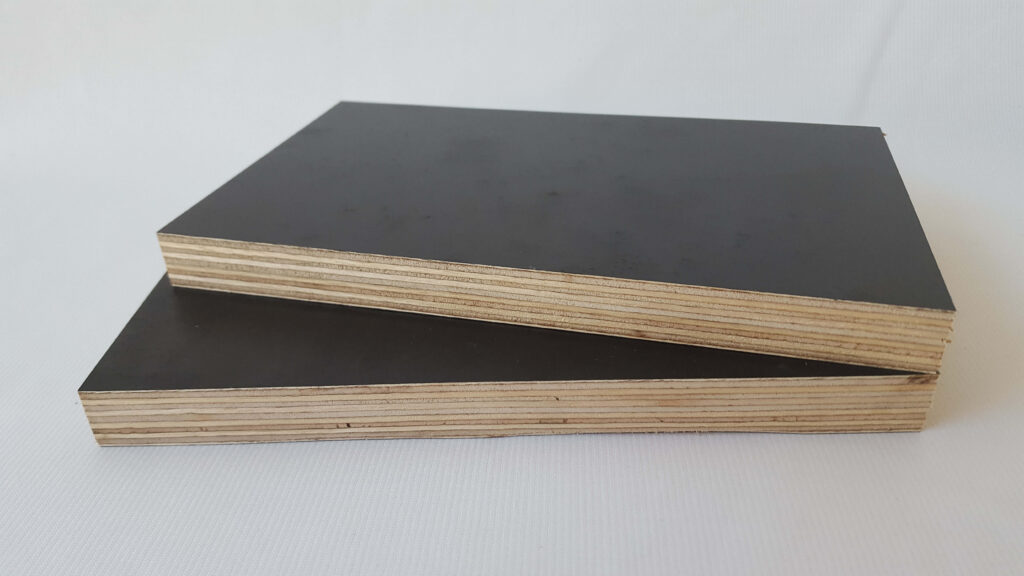
They should start with the engineer’s design intent, then match a product that clearly meets it, then set support spacing to suit the actual pour conditions. That avoids the two classic mistakes: buying premium sheets but supporting them poorly, or buying cheap sheets and trying to “brace it out later”.
With Formply, the best value usually comes from getting the specification right the first time, then protecting the sheets so they actually last long enough to earn their keep.
FAQs (Frequently Asked Questions)
What is Formply and how is it used in Australian construction?
Formply is a structural plywood specifically made for concrete formwork, featuring a sealed face that ensures a smoother finish and better release. In Australia, it is commonly used for slab soffits, suspended decks, beams, columns, and wall forms. Unlike generic plywood with a dark face, Formply offers superior bond strength, durability, face film quality, and stress grade that influence its spanning capability and reuse potential.
What are the common sizes and thicknesses of Formply sheets available in Australia?
In Australia, Formply is most commonly supplied in 2400 x 1200 mm sheets, with some suppliers also offering 1800 x 1200 mm sheets for smaller projects or tighter site handling. Thickness options typically include 12 mm, 17 mm, and 19 mm. The 17 mm thickness is often the preferred choice for general deck formwork across metro areas like Sydney, Melbourne, Brisbane, Perth, and Adelaide.
How should builders select the appropriate thickness of Formply for their projects?
Builders should choose Formply thickness based on factors such as pour load, joist spacing, and desired finish quality rather than solely on cost. For lighter duty or closely spaced joists, 12 mm may suffice; 17 mm is standard for typical suspended slab work; and 19 mm is recommended for heavier loads or wider joist spacing. Incorrect thickness selection can result in deflection issues, grout loss at joints, and slab soffit defects that are difficult to repair after pouring concrete.
What stress grades and compliance standards should be considered when specifying Formply?
It is important to select Formply with a structural stress grade compliant with Australian standards—commonly F grade structural plywood such as F17—based on engineering design requirements. Engineers specify the product which builders then value engineer and certifiers review. Maintaining product literature on file, verifying identification markings on sheets, and matching approved specifications ensure compliance on commercial projects.
How do span capabilities vary for Formply between joists or bearers?
Span capabilities depend on factors like sheet thickness, applied loads (including wet concrete weight), and support conditions. Manufacturers provide span tables to guide these decisions. Generally, joist centres are tightened when slab pours are thicker, vibration levels are higher, or finish tolerances are strict. When uncertain about spans, builders should rely on engineer’s details rather than supplier estimates to avoid costly mistakes.
What are the key loading considerations when sizing Formply for concrete slabs?
When sizing Formply decks for slabs, builders must consider fresh concrete weight (which increases rapidly with slab thickness), construction live loads from workers and equipment, impact forces during placement, and vibration effects. Environmental conditions such as hot weather can affect concrete workability and placement speed influencing load buildup. Consequently, conservative joist centres are often preferred over wider spacing to minimise deflection risk.
Leave a Reply