This guide explains what separates them in practice, so they can pick the right sheet for the right project.
What is formwork plywood?
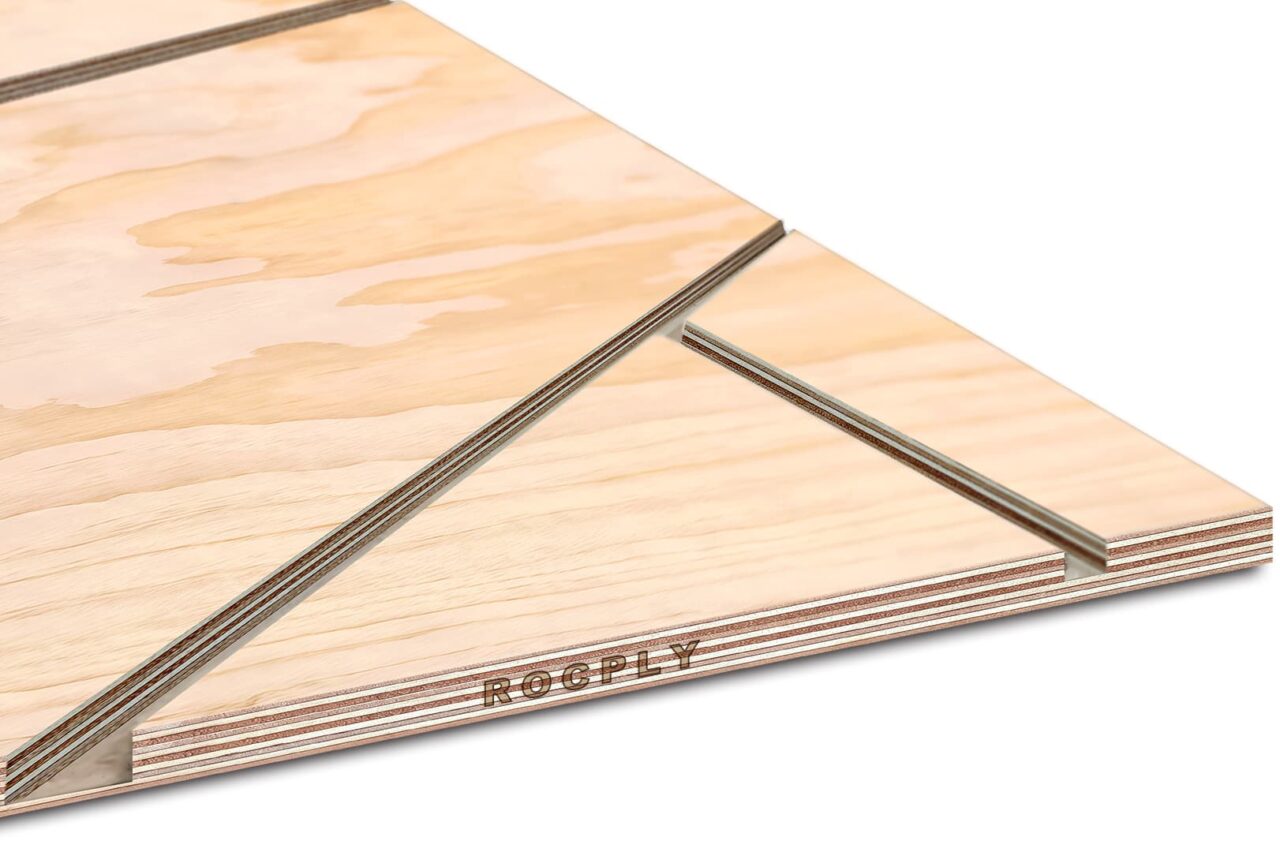
F14 plywood is a structural-grade plywood commonly used for shuttering and concrete formwork where verified strength ratings are required. It is designed to handle wet concrete pressure, repeated use, and exposure to moisture with minimal warping or delamination.
Most F14 formwork sheets use waterproof phenolic glue and a dense, smooth face film that resists water and cement paste. The goal is a stable panel that keeps its shape and releases cleanly from concrete.
What is standard plywood?
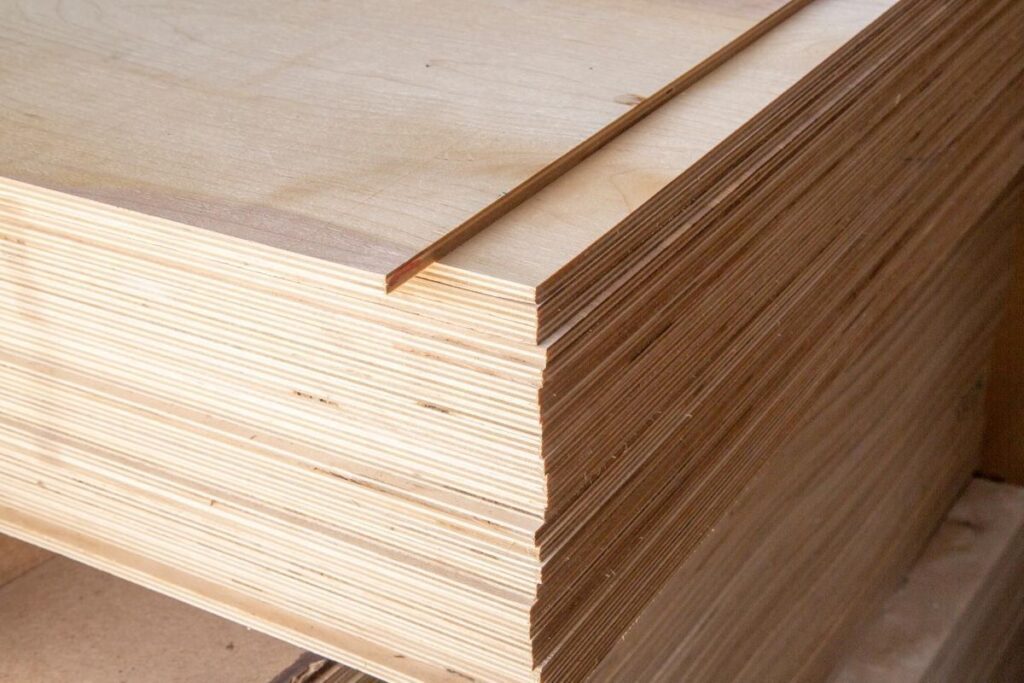
Standard plywood is general-purpose plywood intended for interior and exterior construction, furniture, and sheathing. It is built to be versatile and affordable, not to survive repeated concrete pours.
Some standard plywood grades can handle occasional moisture, but many are not made for prolonged wet exposure, high hydrostatic pressure, or frequent stripping and reinstallation.
How do the adhesives differ?
Formwork plywood typically uses phenol-formaldehyde (often referred to as WBP or “boil proof”) adhesives. These glues are chosen for high moisture resistance and heat stability, which matters when panels sit against wet concrete.
Standard plywood may use interior-grade urea-formaldehyde or exterior-grade phenolic adhesives depending on grade. If they use interior-grade sheets in formwork, glue lines can fail fast.
How do the faces and coatings differ?
Formwork plywood often has a film-faced surface, usually a phenolic film that creates a hard, smooth skin. This reduces water absorption, improves release, and produces a cleaner concrete finish.
Standard plywood usually has a bare wood veneer face. They can seal it with paint or release agent, but it still tends to absorb water, roughen, and imprint grain and patches onto the concrete surface.
How does moisture resistance compare?
Formwork plywood is engineered for repeated wet cycles, including rain exposure and direct contact with wet concrete. It is meant to resist swelling, edge blowout, and delamination during stripping.
Standard plywood varies widely. Even exterior grades can swell at edges and faces over time if they are not sealed well. For formwork, that swelling often translates into uneven pours and misaligned form faces.
Which one is stronger under concrete pressure?
Formwork plywood is generally more consistent in stiffness and thickness tolerance, which helps it resist bulging between studs and walers. A small thickness variation can become a visible wave in the concrete finish.
Standard plywood can be strong, but strength depends heavily on grade, core quality, and thickness. Lower-grade cores may contain voids that reduce panel stiffness and create weak zones under load.
What is the difference in reusability?
Formwork plywood is built for multiple reuses, especially when they oil the face, protect edges, and store it properly. Film-faced sheets can often be reused many times before the face breaks down.
Standard plywood is usually closer to single-use in formwork, or very limited reuse. Once the face checks, the edges swell, or the veneers lift, the panel becomes unreliable and leaves a poor surface finish.
How does the concrete finish differ?
Formwork plywood, particularly film-faced, produces smoother, more uniform concrete with fewer wood-grain marks. This is useful when the concrete will be left exposed or needs minimal finishing.
Standard plywood leaves more texture and inconsistency. Knots, patches, open grain, and face repairs can transfer to the concrete, increasing time spent on grinding, plastering, or skim coating.
How do they differ in edge durability?
Formwork plywood often has sealed edges or is expected to be edge-sealed on site. Edge sealing slows moisture uptake, which is one of the main causes of early panel failure.
Standard plywood edges are commonly left unsealed. If they use it for formwork without sealing, the edges can swell quickly, making tight joints harder and increasing the risk of grout loss.
Which one is cheaper overall?
Standard plywood usually has a lower purchase price per sheet. That can look attractive for small, one-off pours or temporary work where finish quality does not matter.
Formwork plywood costs more upfront but can be cheaper per pour if they reuse it multiple times. The real cost difference often shows up in labor, rework, surface finishing, and replacement frequency.
When should they choose formwork plywood?
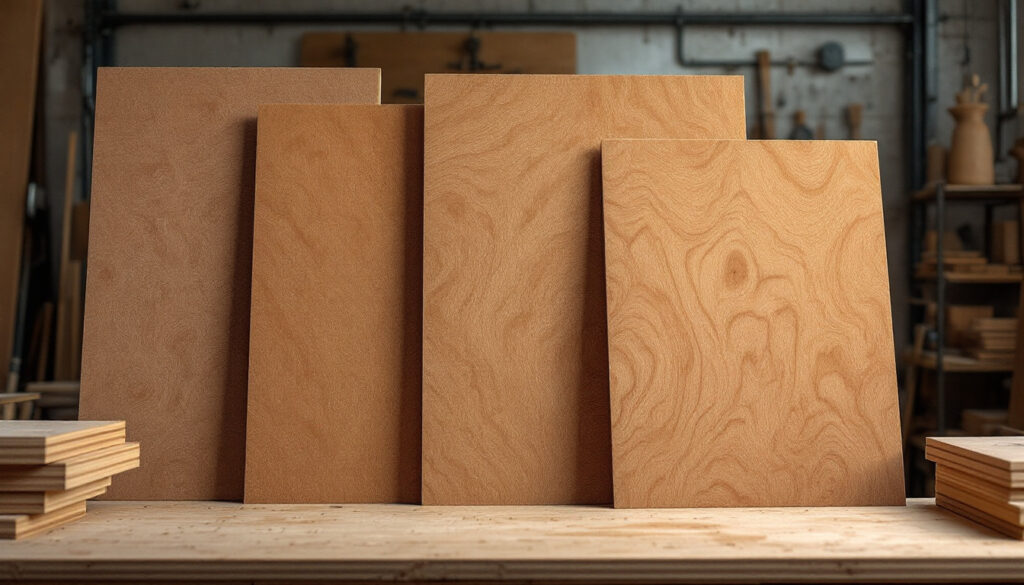
They should choose formwork plywood when the pour size is large, the pressure is high, or the panels need to be reused. It is also the better choice when they care about a clean concrete finish.
It is commonly used for walls, columns, slabs, beams, and any job where panel stability and moisture resistance directly affect safety and finish.
When is standard plywood “good enough”?
Standard plywood can be acceptable for very small pours, non-critical shapes, or where they expect single-use panels and do not care about surface appearance. It can also work when they have strong framing support and short exposure times.
If they go this route, they should choose an exterior-rated sheet, seal edges, use a proper release agent, and expect limited reuse.
What mistakes cause the most failures?
The most common mistake is treating standard plywood like formwork plywood and assuming “plywood is plywood.” In concrete work, that assumption usually shows up as bulging, blowouts, delamination, and ugly surface defects.
They also run into trouble when they skip edge sealing, under-support the panel, reuse damaged sheets, or store panels wet and flat without airflow.
How can they make either plywood last longer?
They can extend panel life by sealing edges, applying release agent correctly, avoiding fastener blow-through, and cleaning panels right after stripping. Proper storage matters too, with sheets kept flat, dry, and supported.
Even premium formwork panels fail early if they are soaked repeatedly, scraped aggressively, or left with concrete buildup that forces the face film to peel.
What is the simplest way to decide?
If they need reliability, repeat use, and a cleaner finish, formwork plywood is usually the right choice. If they only need a quick, disposable solution and can accept a rougher finish, standard plywood may be enough.
When in doubt, they should price the job by total cost per pour, not just the sheet price, because labor and rework often cost far more than the plywood.
FAQs (Frequently Asked Questions)
What is formwork plywood and how is it different from standard plywood?
Formwork plywood is specifically designed for concrete shuttering and formwork, built to withstand wet concrete pressure, repeated use, and moisture exposure with minimal warping or delamination. It uses waterproof phenolic glue and a dense, smooth phenolic film face for water resistance and clean concrete release. Standard plywood is a general-purpose product intended for interior/exterior construction and furniture, not designed for repeated wet exposure or high hydrostatic pressure.
How do the adhesives and face coatings differ between formwork plywood and standard plywood?
Formwork plywood typically uses phenol-formaldehyde (WBP) adhesives known for high moisture resistance and heat stability, paired with a phenolic film-faced surface that reduces water absorption and improves concrete finish. Standard plywood may use interior-grade urea-formaldehyde or exterior-grade phenolic adhesives depending on grade, usually has a bare wood veneer face that absorbs water more readily, leading to rougher concrete surfaces.
Why is moisture resistance important in formwork plywood compared to standard plywood?
Moisture resistance is crucial because formwork plywood must endure repeated wet cycles including rain and direct contact with wet concrete without swelling, edge blowout, or delamination. Standard plywood varies widely in moisture resistance; even exterior grades can swell if not well sealed, causing uneven pours and misaligned form faces in concrete work.
How does the strength and reusability of formwork plywood compare to standard plywood under concrete pressure?
Formwork plywood offers consistent stiffness and thickness tolerance to resist bulging under load, enabling multiple reuses when properly maintained. Standard plywood’s strength depends on grade and core quality; lower-grade cores may have voids reducing stiffness. It is generally considered single-use or limited reuse in formwork due to susceptibility to damage like veneer lifting or edge swelling.
What impact does the choice between formwork plywood and standard plywood have on the concrete finish?
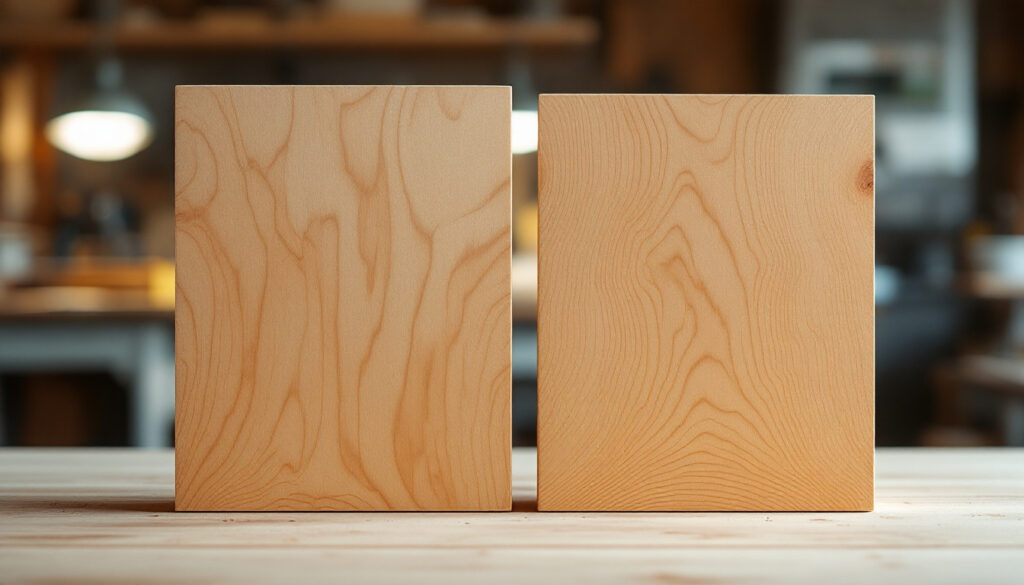
Formwork plywood, especially film-faced types, produces smoother, more uniform concrete finishes with fewer wood-grain marks, ideal for exposed surfaces requiring minimal finishing. Standard plywood tends to imprint knots, patches, open grain textures onto the concrete surface, increasing labor for grinding, plastering, or skim coating.
When should one choose formwork plywood over standard plywood for construction projects?
Choose formwork plywood for large pours, high-pressure applications, or when panels require multiple reuses. It’s preferred where panel stability and moisture resistance affect safety and finish quality—such as walls, columns, slabs, beams—and when a clean concrete surface is desired. Standard plywood may suffice for small pours or non-critical shapes with limited exposure if properly sealed and used once.
Other resources : Temporary Scaffolding: Safety Standards and Best Practice
Leave a Reply