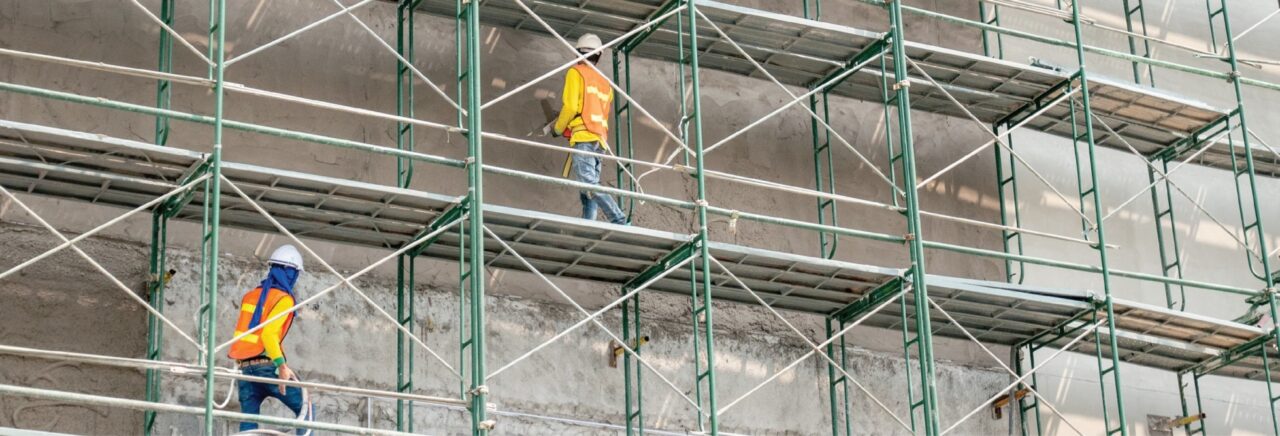
What is temporary scaffolding, and why is it treated as high risk?
Temporary scaffolding is a short term access and working platform used during construction, maintenance, and repair. It is treated as high risk because a small mistake can lead to falls, collapse, dropped objects, or contact with hazards like power lines. Good scaffolding is not just “built strong”; it is built for a specific job, load, and environment.
Which safety standards and regulations should they follow?
They should follow the rules that apply in their country, plus any project or client requirements. In most places, scaffolding duties sit under work at height laws, construction safety regulations, and recognized scaffold standards.
At a minimum, they should ensure the scaffold netting is correctly installed by competent people, securely fixed to the structure, tensioned properly, and inspected at required intervals. Where a formal design or specification is needed, it should be documented and kept available on site to confirm compliance with safety requirements.
Who is responsible for scaffold safety on site?
Responsibility is shared, but it must be clear. The scaffold contractor is typically responsible for correct erection, stability, and handover. The principal contractor or site manager is usually responsible for coordinating safe use, preventing unauthorized alterations, and ensuring inspections happen.
Users also have duties. They should not remove components, overload platforms, or use incomplete sections “just for a minute”.
When do they need a scaffold design rather than a standard configuration?
They need a design when the scaffold is outside normal, manufacturer approved, or standard configurations. That often includes unusual heights, complex shapes, heavy duty loading, cantilevers, bridges, sheeting and netting, or exposure to high wind. It also applies when the scaffold relies on special ties, anchors, or foundations.
If there is doubt, best practice is to treat it as a design scaffold and get an engineer or qualified designer involved.
What are the main hazards with temporary scaffolding?
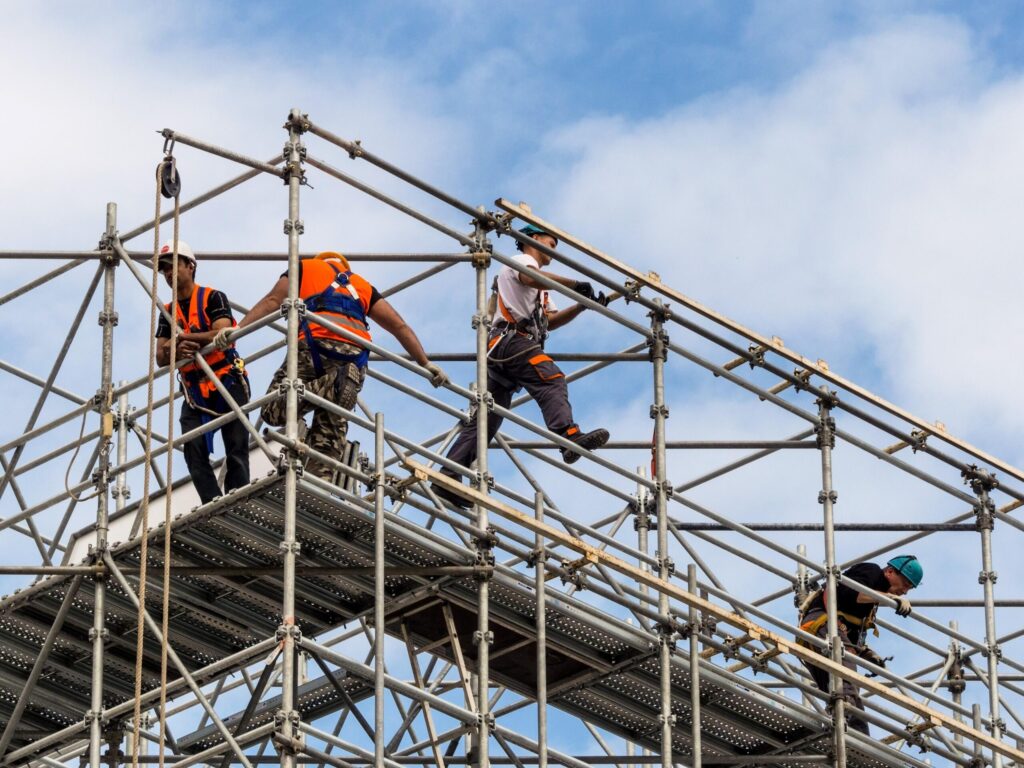
The biggest hazards are falls from height and scaffold collapse. Other common hazards include falling objects, unstable or uneven foundations, missing guardrails, unsafe access, poor tying, and contact with overhead services.
Weather and site changes matter too. High winds, impact from vehicles, ground settlement, and trades interfering with ties or braces can turn a safe scaffold into a dangerous one quickly.
How should they plan a safe scaffold before erection starts?
They should plan around the task, not just the structure. That means confirming required working height, number of lifts, platform widths, and expected loads including people, tools, and materials. They should also plan access points, loading bays, debris control, and exclusion zones.
A pre start check of ground conditions, underground services, and nearby power lines prevents many early mistakes.
What does best practice erection look like?
Best practice erection uses a defined method statement and trained scaffolders who follow the system rules. They should build from a stable base, keep the scaffold plumb and braced, install ties as the scaffold rises, and fit edge protection as soon as possible.
They should also control the area during erection. Barriers, signage, and overhead protection reduce risk to other workers and the public.
What access and edge protection should they provide?
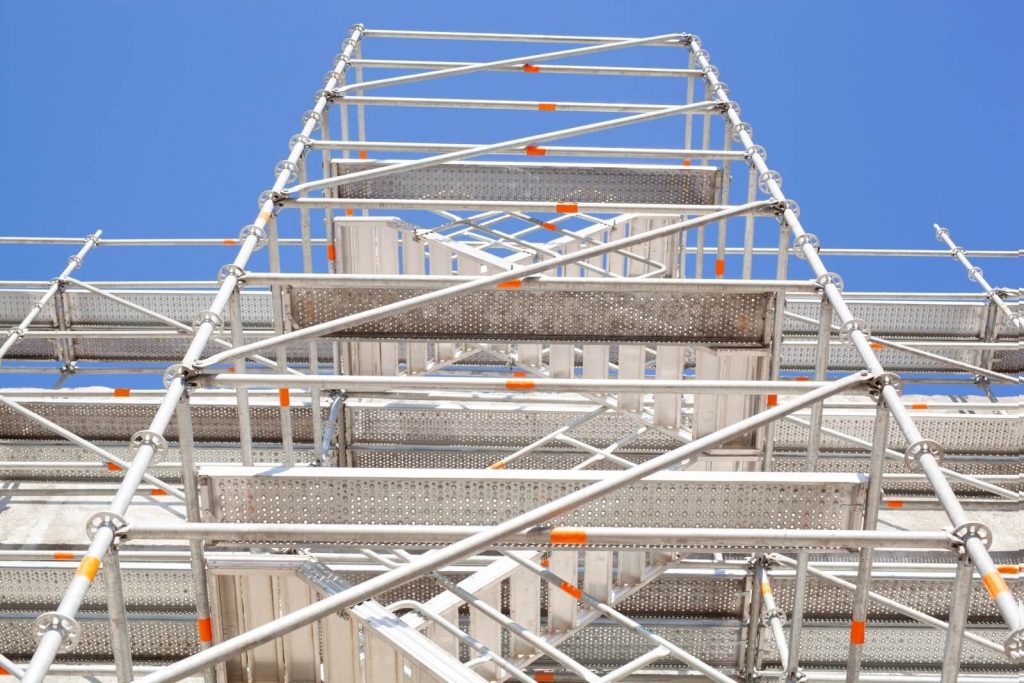
They should provide safe access such as stair towers, internal ladders with gates, or properly secured ladders where allowed. Climbing frames or cross braces should never be treated as access.
For edge protection, best practice is full guardrails, midrails, and toe boards on all open sides and ends. Where there is a risk of objects falling, they should add brick guards, debris netting, fans, or covered walkways depending on the exposure.
How do they prevent overloading and material handling problems?
They should clearly communicate the scaffold duty rating and never exceed it. Loading bays should be designed for the intended loads and placed where the scaffold can safely transfer forces to the ground and ties.
They should also manage storage. Keeping heavy materials spread out, not stacked at edges, and not left on narrow platforms reduces both collapse risk and trip hazards.
How often should scaffolds be inspected, and what should inspections cover?
They should inspect scaffolds before first use, after any alteration, and at set intervals required by local rules. They should also inspect after events that could affect stability, such as high winds, impact, heavy rain, or ground movement.
Inspections should focus on foundations, standards, ledgers, braces, ties, platforms, guardrails, toe boards, access, and signs of damage or unauthorized changes. Findings should be recorded and defects fixed before use continues.
What are the best practices for alterations and handover?
Alterations should be carried out only by competent scaffolders, using the original design rules or an updated design where needed. They should control changes with a permit or tag system so users can see whether a scaffold is safe to use.
Handover should be formal. A handover certificate or inspection record, plus clear tagging and load information, helps prevent assumptions and unsafe use.
How can they reduce public risk when scaffolding is in public areas?
They should treat public interfaces as a separate risk. That usually means secure hoarding or fencing, anti climb measures, protected walkways, proper lighting, and clear signage. They should also plan for dropped object protection with fans, netting, or fully sheeted systems where required.
If the scaffold is on or near roads and footpaths, they should follow local permit rules and traffic management requirements.
What should they do if conditions change or the scaffold is damaged?
They should stop use and isolate the area if there is any sign of instability, missing components, or impact damage. A competent person should assess it, and repairs or redesign should happen before anyone re enters the platform.
They should also reassess after major changes to the job. New loads, new trades, new openings, or extended duration can all change what “safe” looks like.
What is the simplest checklist they can follow daily?
They can keep it simple and consistent. They should check that access is safe, platforms are complete, guardrails and toe boards are in place, ties and braces look intact, and there are no obvious signs of movement or damage. They should also confirm the scaffold tag status and keep the area below clear.
If anything looks wrong, the rule is straightforward: they should not use it until it is made safe.
FAQs (Frequently Asked Questions)
What is temporary scaffolding and why is it considered a high-risk structure?
Temporary scaffolding is a short-term access and working platform used during construction, maintenance, and repair tasks. It is considered high risk because mistakes in its design, erection, or use can lead to falls from height, scaffold collapse, dropped objects, or contact with hazards like power lines. Properly designed scaffolding must be tailored for the specific job, load, and environment to ensure safety.
Which safety standards and regulations must be followed when using temporary scaffolding?
Scaffolding must comply with the applicable work at height laws, construction safety regulations, and recognized scaffold standards of the country where the work takes place. Additionally, any project or client-specific requirements should be met. At minimum, scaffolds should be designed and erected by competent personnel, used within load limits, inspected regularly, and have formal designs available on site when required.
Who holds responsibility for scaffold safety on a construction site?
Responsibility for scaffold safety is shared but clearly assigned: the scaffold contractor typically manages correct erection, stability, and handover; the principal contractor or site manager coordinates safe use, prevents unauthorized alterations, and ensures inspections occur; scaffold users must avoid removing components, overloading platforms, or using incomplete sections even briefly. Learn more to get more about : Formwork Plywood vs Standard Plywood: What’s the Difference?
When is a custom scaffold design necessary instead of using standard configurations?
A custom scaffold design is needed when the scaffold deviates from normal manufacturer-approved or standard configurations. This includes unusual heights, complex shapes, heavy-duty loading requirements, cantilevers, bridges, sheeting/netting applications, exposure to high winds, or reliance on special ties, anchors, or foundations. When in doubt, engaging an engineer or qualified designer to produce a formal design is best practice.
What are the primary hazards associated with temporary scaffolding and how can they be mitigated?
The main hazards include falls from height and scaffold collapse. Other risks involve falling objects, unstable foundations, missing guardrails, unsafe access routes, poor tying methods, and contact with overhead services. Environmental factors like high winds or ground settlement can worsen risks. Mitigation involves proper design and erection by competent personnel; regular inspections; installing edge protection; controlling access; securing materials; and monitoring weather and site changes closely.
How should safe scaffolding be planned before erection begins?
Planning should focus on the task requirements rather than just the scaffold structure. This includes confirming working height needs, number of lifts (levels), platform widths, expected loads (workers plus tools/materials), access points, loading bays placement, debris control measures, and exclusion zones. A pre-start check of ground conditions along with identification of underground services and nearby power lines is essential to prevent early-stage errors.
Leave a Reply