Tag: plywood curved concrete forms

Plywood

Formwork Plywood vs Standard Plywood: What’s the Difference?

This guide explains what separates them in practice, so they can pick the right sheet for the right project.

What is formwork plywood?

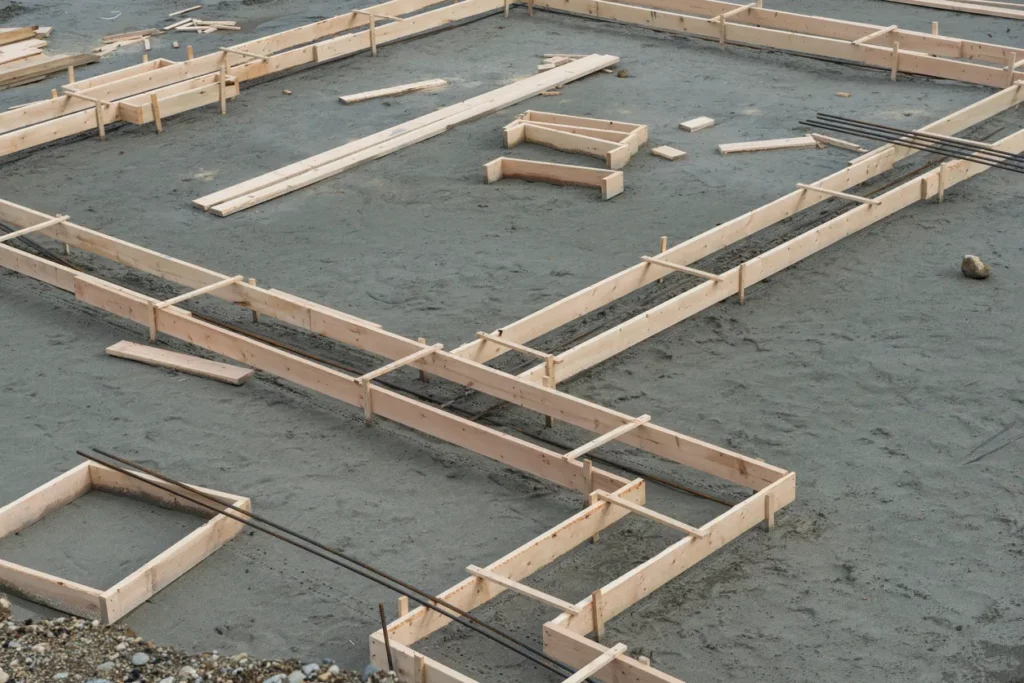
F14 plywood is a structural-grade plywood commonly used for shuttering and concrete formwork where verified strength ratings are required. It is designed to handle wet concrete pressure, repeated use, and exposure to moisture with minimal warping or delamination.

Most F14 formwork sheets use waterproof phenolic glue and a dense, smooth face film that resists water and cement paste. The goal is a stable panel that keeps its shape and releases cleanly from concrete.
Plywood

What is standard plywood?

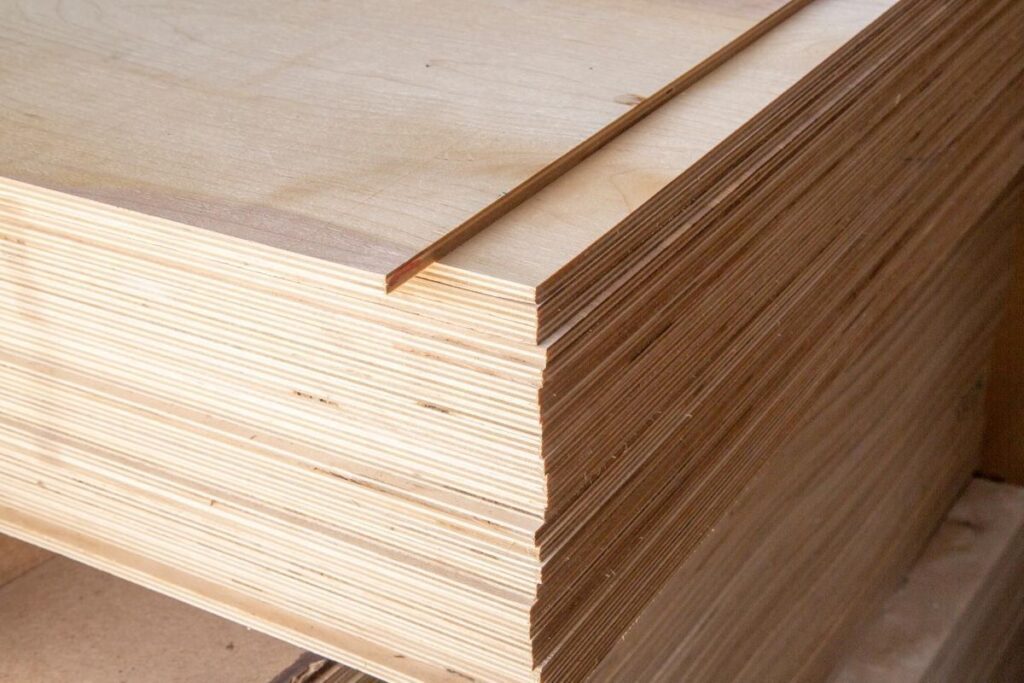
Standard plywood is general-purpose plywood intended for interior and exterior construction, furniture, and sheathing. It is built to be versatile and affordable, not to survive repeated concrete pours.

Some standard plywood grades can handle occasional moisture, but many are not made for prolonged wet exposure, high hydrostatic pressure, or frequent stripping and reinstallation.

How do the adhesives differ?

Formwork plywood typically uses phenol-formaldehyde (often referred to as WBP or “boil proof”) adhesives. These glues are chosen for high moisture resistance and heat stability, which matters when panels sit against wet concrete.

Standard plywood may use interior-grade urea-formaldehyde or exterior-grade phenolic adhesives depending on grade. If they use interior-grade sheets in formwork, glue lines can fail fast.

How do the faces and coatings differ?

Formwork plywood often has a film-faced surface, usually a phenolic film that creates a hard, smooth skin. This reduces water absorption, improves release, and produces a cleaner concrete finish.

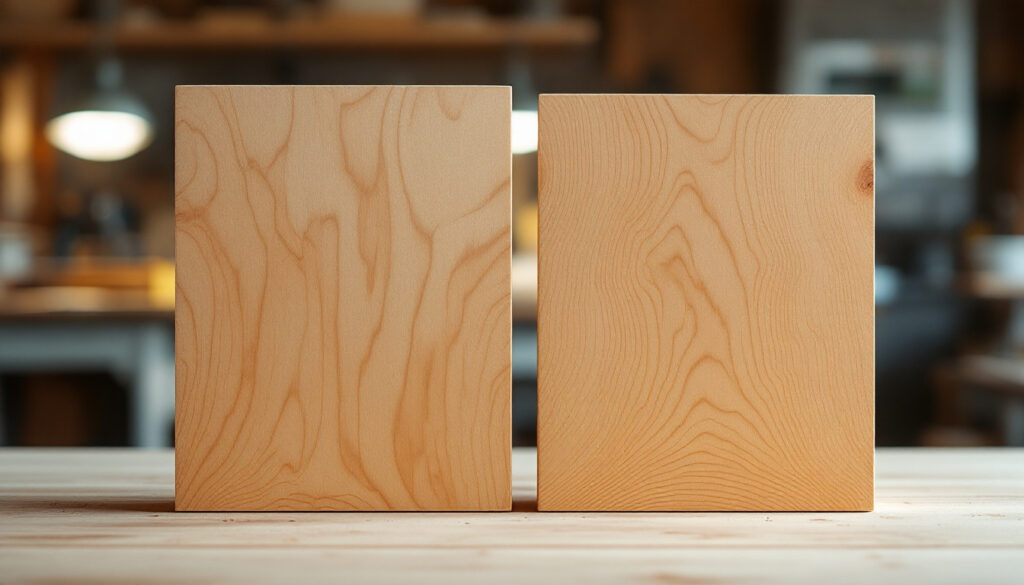
Standard plywood usually has a bare wood veneer face. They can seal it with paint or release agent, but it still tends to absorb water, roughen, and imprint grain and patches onto the concrete surface.

How does moisture resistance compare?

Formwork plywood is engineered for repeated wet cycles, including rain exposure and direct contact with wet concrete. It is meant to resist swelling, edge blowout, and delamination during stripping.

Standard plywood varies widely. Even exterior grades can swell at edges and faces over time if they are not sealed well. For formwork, that swelling often translates into uneven pours and misaligned form faces.

Which one is stronger under concrete pressure?

Formwork plywood is generally more consistent in stiffness and thickness tolerance, which helps it resist bulging between studs and walers. A small thickness variation can become a visible wave in the concrete finish.

Standard plywood can be strong, but strength depends heavily on grade, core quality, and thickness. Lower-grade cores may contain voids that reduce panel stiffness and create weak zones under load.

What is the difference in reusability?

Formwork plywood is built for multiple reuses, especially when they oil the face, protect edges, and store it properly. Film-faced sheets can often be reused many times before the face breaks down.

Standard plywood is usually closer to single-use in formwork, or very limited reuse. Once the face checks, the edges swell, or the veneers lift, the panel becomes unreliable and leaves a poor surface finish.

How does the concrete finish differ?

Formwork plywood, particularly film-faced, produces smoother, more uniform concrete with fewer wood-grain marks. This is useful when the concrete will be left exposed or needs minimal finishing.

Standard plywood leaves more texture and inconsistency. Knots, patches, open grain, and face repairs can transfer to the concrete, increasing time spent on grinding, plastering, or skim coating.

How do they differ in edge durability?

Formwork plywood often has sealed edges or is expected to be edge-sealed on site. Edge sealing slows moisture uptake, which is one of the main causes of early panel failure.

Standard plywood edges are commonly left unsealed. If they use it for formwork without sealing, the edges can swell quickly, making tight joints harder and increasing the risk of grout loss.

Which one is cheaper overall?

Standard plywood usually has a lower purchase price per sheet. That can look attractive for small, one-off pours or temporary work where finish quality does not matter.

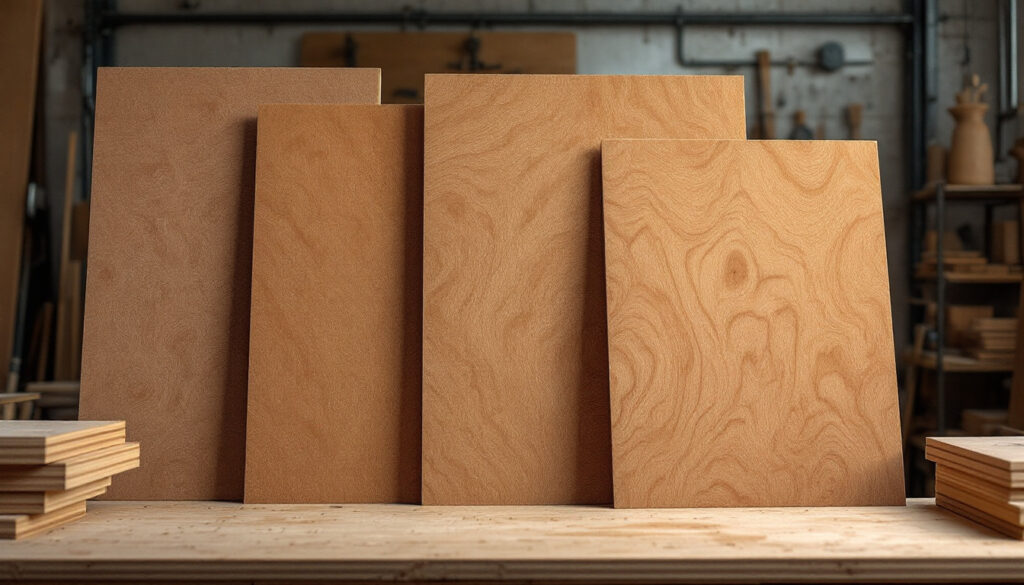
Formwork plywood costs more upfront but can be cheaper per pour if they reuse it multiple times. The real cost difference often shows up in labor, rework, surface finishing, and replacement frequency.
Plywood

When should they choose formwork plywood?

They should choose formwork plywood when the pour size is large, the pressure is high, or the panels need to be reused. It is also the better choice when they care about a clean concrete finish.

It is commonly used for walls, columns, slabs, beams, and any job where panel stability and moisture resistance directly affect safety and finish.

When is standard plywood “good enough”?

Standard plywood can be acceptable for very small pours, non-critical shapes, or where they expect single-use panels and do not care about surface appearance. It can also work when they have strong framing support and short exposure times.

If they go this route, they should choose an exterior-rated sheet, seal edges, use a proper release agent, and expect limited reuse.

What mistakes cause the most failures?

The most common mistake is treating standard plywood like formwork plywood and assuming “plywood is plywood.” In concrete work, that assumption usually shows up as bulging, blowouts, delamination, and ugly surface defects.

They also run into trouble when they skip edge sealing, under-support the panel, reuse damaged sheets, or store panels wet and flat without airflow.

How can they make either plywood last longer?

They can extend panel life by sealing edges, applying release agent correctly, avoiding fastener blow-through, and cleaning panels right after stripping. Proper storage matters too, with sheets kept flat, dry, and supported.

Even premium formwork panels fail early if they are soaked repeatedly, scraped aggressively, or left with concrete buildup that forces the face film to peel.

What is the simplest way to decide?

If they need reliability, repeat use, and a cleaner finish, formwork plywood is usually the right choice. If they only need a quick, disposable solution and can accept a rougher finish, standard plywood may be enough.

When in doubt, they should price the job by total cost per pour, not just the sheet price, because labor and rework often cost far more than the plywood.

FAQs (Frequently Asked Questions)

What is formwork plywood and how is it different from standard plywood?

Formwork plywood is specifically designed for concrete shuttering and formwork, built to withstand wet concrete pressure, repeated use, and moisture exposure with minimal warping or delamination. It uses waterproof phenolic glue and a dense, smooth phenolic film face for water resistance and clean concrete release. Standard plywood is a general-purpose product intended for interior/exterior construction and furniture, not designed for repeated wet exposure or high hydrostatic pressure.

How do the adhesives and face coatings differ between formwork plywood and standard plywood?

Formwork plywood typically uses phenol-formaldehyde (WBP) adhesives known for high moisture resistance and heat stability, paired with a phenolic film-faced surface that reduces water absorption and improves concrete finish. Standard plywood may use interior-grade urea-formaldehyde or exterior-grade phenolic adhesives depending on grade, usually has a bare wood veneer face that absorbs water more readily, leading to rougher concrete surfaces.

Why is moisture resistance important in formwork plywood compared to standard plywood?

Moisture resistance is crucial because formwork plywood must endure repeated wet cycles including rain and direct contact with wet concrete without swelling, edge blowout, or delamination. Standard plywood varies widely in moisture resistance; even exterior grades can swell if not well sealed, causing uneven pours and misaligned form faces in concrete work.

How does the strength and reusability of formwork plywood compare to standard plywood under concrete pressure?

Formwork plywood offers consistent stiffness and thickness tolerance to resist bulging under load, enabling multiple reuses when properly maintained. Standard plywood’s strength depends on grade and core quality; lower-grade cores may have voids reducing stiffness. It is generally considered single-use or limited reuse in formwork due to susceptibility to damage like veneer lifting or edge swelling.
Plywood

What impact does the choice between formwork plywood and standard plywood have on the concrete finish?

Formwork plywood, especially film-faced types, produces smoother, more uniform concrete finishes with fewer wood-grain marks, ideal for exposed surfaces requiring minimal finishing. Standard plywood tends to imprint knots, patches, open grain textures onto the concrete surface, increasing labor for grinding, plastering, or skim coating.

When should one choose formwork plywood over standard plywood for construction projects?

Choose formwork plywood for large pours, high-pressure applications, or when panels require multiple reuses. It’s preferred where panel stability and moisture resistance affect safety and finish quality—such as walls, columns, slabs, beams—and when a clean concrete surface is desired. Standard plywood may suffice for small pours or non-critical shapes with limited exposure if properly sealed and used once.

Other resources : Temporary Scaffolding: Safety Standards and Best Practice
Plywood Curved Concrete Forms

The Benefits of Using Plywood Curved Concrete Forms in Custom Builds

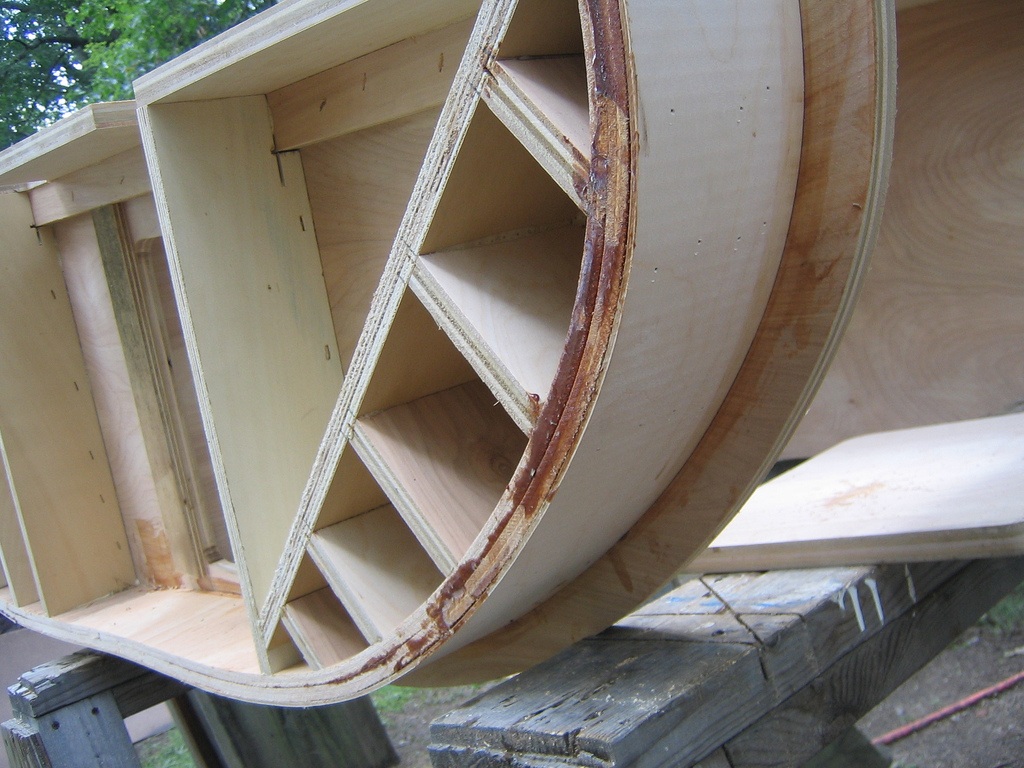
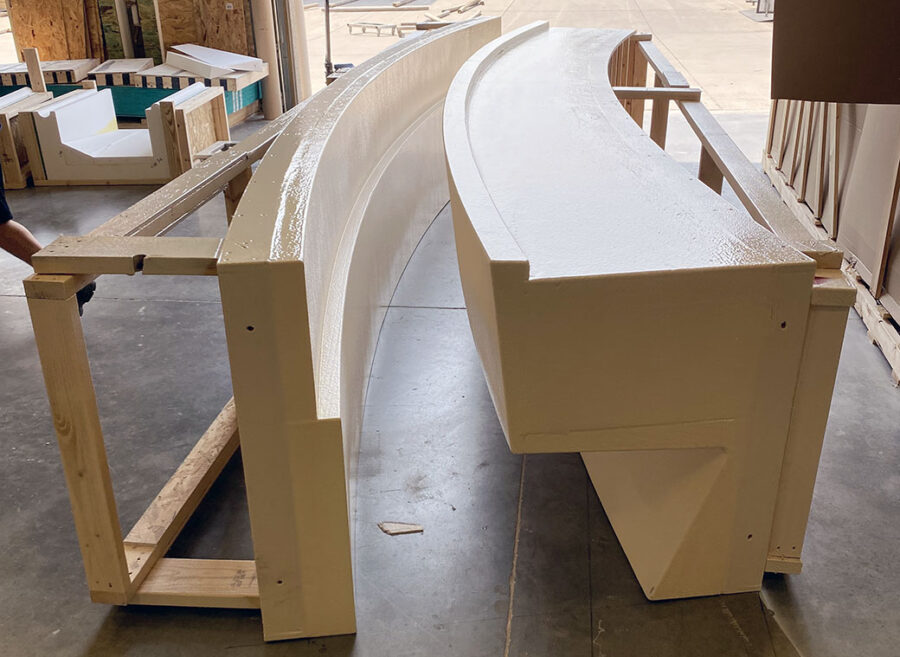
Plywood curved concrete forms are an innovative solution in modern construction, especially for custom projects that require unique architectural features. These specialised formwork systems make it possible to create curved concrete structures by using the natural flexibility and strength of engineered plywood materials.

The use of plywood curved concrete forms in custom construction projects offers several benefits:

  • Cost-Effective Solution: The relatively low material cost combined with potential reusability makes plywood forms an economical choice for builders
  • Lightweight Properties: The reduced weight allows for easier handling and transportation on construction sites
  • Design Versatility: The inherent flexibility of plywood enables the creation of complex curved shapes and unique architectural features
  • Simple Modifications: On-site adjustments can be made quickly to accommodate design changes or overcome unexpected challenges

The adaptability of plywood curved concrete forms has opened up new possibilities in custom construction. It allows architects and builders to explore creative ideas while still considering practical aspects of building. These innovative forming systems are now essential tools for achieving both structural strength and visual appeal in contemporary architectural designs.

Plywood Curved Concrete Forms

The Role of Formwork Materials in Construction Projects

Selecting appropriate formwork materials is a critical decision in construction projects, directly impacting the structural integrity and aesthetic outcome of concrete structures. The choice of formwork materials influences:

  • Concrete Surface Quality
  • Project Timeline
  • Construction Costs
  • Safety Standards
  • Environmental Impact

Traditional Formwork Materials

Traditional formwork materials include steel, aluminium, timber, and engineered wood products. Each material has its own characteristics:

Find more on: Understanding LVL Timber Formwork Prices in Today’s Market

Steel Formwork

  • High durability
  • Suitable for repetitive use
  • Significant initial investment
  • Heavy transportation requirements

Aluminium Formwork

  • Lightweight construction
  • Corrosion-resistant properties
  • Higher cost than wood-based options
  • Limited flexibility for curved designs

Traditional Timber

  • Natural material properties
  • Limited reuse potential
  • Susceptible to weather damage
  • Variable quality standards

The Shift Towards Plywood Formwork

The construction industry’s shift towards plywood formwork is due to its balanced combination of strength, versatility, and cost-effectiveness. Plywood formwork offers:

  • Precise concrete finish
  • Adaptable design capabilities
  • Reduced labour requirements
  • Optimised material costs
  • Enhanced sustainability practices

Choosing the Right Formwork Materials

The selection of formwork materials must align with specific project requirements, considering factors such as concrete pressure, temperature variations, and structural specifications. This careful consideration ensures successful concrete pouring operations and achieves desired construction outcomes. Find more about specifications on https://www.mit.edu/course/21/21.guide/specs.htm

Advantages of Using Plywood for Curved Concrete Forms

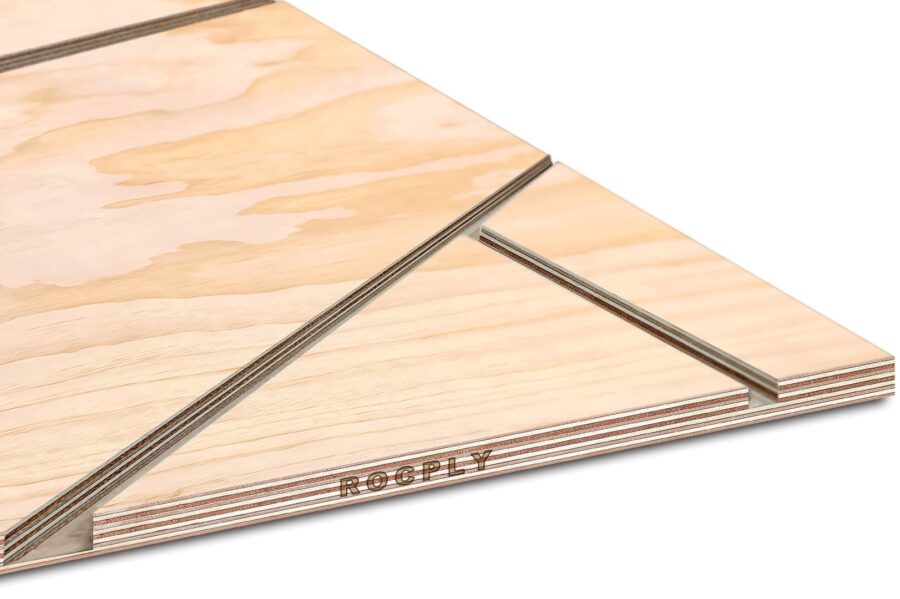
Plywood stands out as a superior choice for curved concrete forms, offering distinct advantages that make it an essential material in custom builds.

Plywood Curved Concrete Forms

Cost-Effective Solution

  • Lower material costs compared to steel or fibreglass alternatives
  • Reduced labour expenses due to easier modification on-site
  • Multiple reuse capabilities with proper maintenance
  • Minimal waste during cutting and shaping processes

Lightweight Properties

  • 60% lighter than traditional steel formwork
  • Reduced equipment requirements for transportation
  • Decreased worker fatigue during installation
  • Faster assembly and disassembly times
  • Enhanced site safety through easier manual handling

Unmatched Flexibility

The inherent flexibility of plywood enables the creation of complex architectural designs:

  • Achieves smooth curves with radii as small as 50cm
  • Adapts to both gentle and dramatic curved surfaces
  • Creates precise geometric patterns
  • Maintains dimensional stability under pressure
  • Allows for on-site adjustments without specialised tools

Surface Quality Benefits

  • Produces smooth concrete finishes
  • Minimises surface defects and blemishes
  • Creates consistent texture across curved surfaces
  • Reduces the need for post-pour finishing work

The versatility of plywood formwork extends beyond basic construction applications. Custom builders can achieve architectural features such as curved walls, spiral staircases, and decorative elements with remarkable precision. The material’s natural properties allow for intricate detail work while maintaining structural integrity throughout the concrete pouring process.

The combination of cost-effectiveness, lightweight nature, and flexibility positions plywood as an ideal choice for curved concrete forms in modern construction projects. These advantages directly translate into improved project efficiency and enhanced design possibilities for custom builds. Click here to find more about efficiency.

Commonly Used Types of Formwork Plywood and Their Applications

Choosing the right type of formwork plywood is crucial for successful construction projects. By understanding the unique features of each type, you can select the best material to meet your specific project needs.

F14 vs F17 Plywood Grades

F14 and F17 plywood grades have different performance qualities:

F14 Plywood

  • Suitable for light to medium-duty applications
  • Cost-effective solution for residential projects
  • Ideal for single-use formwork
  • Lower density rating at 640 kg/m³

F17 Plywood

  • Higher strength rating for heavy-duty construction
  • Enhanced durability for multiple reuse cycles
  • Superior moisture resistance
  • Density rating of 680 kg/m³

HDO (High-Density Overlay) Plywood

HDO plywood represents a significant advancement in formwork technology:

  • Resin-impregnated overlay creates an ultra-smooth surface
  • Produces exceptional concrete finish quality
  • Reduces the need for post-pour surface treatments
  • Extended lifespan through multiple pour cycles
  • Minimal concrete adhesion during stripping

LVL (Laminated Veneer Lumber) Formwork Applications

LVL formwork demonstrates superior performance in demanding construction scenarios:

Structural Benefits

  • Enhanced load-bearing capacity
  • Minimal deflection under pressure
  • Consistent structural properties
  • Reduced need for additional support systems

Practical Applications

  • High-rise construction projects
  • Complex architectural features
  • Load-bearing walls
  • Column formwork
  • Bridge construction

The dimensional stability of LVL formwork makes it particularly valuable for projects requiring precise concrete placement and finish quality. The enhanced strength properties allow for larger pour volumes while maintaining form integrity, reducing the risk of blowouts or deformation during concrete placement.

Addressing Challenges Faced When Working with Formwork Plywood

Working with formwork plywood presents specific challenges during concrete pouring that require careful attention and strategic solutions. Here are the primary issues and their practical remedies:

1. Leakage and Bleeding

  • Apply appropriate release agents before pouring
  • Seal joints properly with compatible materials
  • Install waterstops at critical junctions
  • Use rubber gaskets around tie holes

2. Form Deflection

  • Install adequate bracing at recommended intervals
  • Use proper thickness of plywood for the pressure load
  • Reinforce weak points with additional supports
  • Monitor form movement during concrete placement

3. Surface Defects

  • Clean forms thoroughly before each use
  • Remove any debris or foreign materials
  • Repair damaged areas with epoxy fillers
  • Replace severely worn panels

4. Hydrostatic Pressure Management

  • Control pour rates according to temperature conditions
  • Monitor concrete consistency throughout the pour
  • Maintain proper vibration techniques
  • Adjust pour height based on form strength

5. Panel Degradation

  • Store panels in dry, covered areas
  • Apply protective sealants to edges
  • Implement proper cleaning procedures after use
  • Rotate panels to distribute wear evenly

These challenges can be effectively managed through proper planning, regular maintenance, and adherence to best practices in formwork installation and concrete placement techniques. The success of curved concrete forms depends significantly on addressing these issues proactively during the construction process.

Maximising Structural Integrity Through Proper Installation Techniques

Proper installation techniques are the foundation of successful LVL formwork implementation. The structural integrity of concrete structures relies heavily on precise installation methods and following established guidelines.

Essential Installation Requirements:

  • Maintain consistent spacing between supports at 450mm-600mm intervals
  • Secure all joints with appropriate fasteners and connectors
  • Apply release agents evenly across contact surfaces
  • Install bracing at 45-degree angles for optimal load distribution

The placement of reo bars within the formwork system requires careful attention to detail. A minimum concrete cover of 40mm must be maintained between the reo bars and formwork surface to prevent concrete deterioration and ensure structural longevity.

Critical Installation Steps:

  1. Level base preparation with compacted material
  2. Accurate alignment of vertical and horizontal members
  3. Proper tensioning of tie rods and walers
  4. Installation of chamfer strips at corners

The use of proper sealing techniques prevents concrete leakage and ensures clean, sharp edges. Silicone-based sealants applied at joints create watertight barriers, while foam gaskets installed between panels absorb vibration during concrete pouring.

Strict adherence to load-bearing capacities is crucial during installation. LVL formwork systems must be designed to withstand both dead loads and live loads, including concrete pressure, worker movement, and equipment weight during construction phases.

Sustainable Benefits and Cost Savings Offered by LVL Formwork Systems

LVL formwork systems are a significant advancement in sustainable construction practices, offering both environmental advantages and substantial cost reductions. These innovative systems demonstrate remarkable efficiency in resource utilisation through:

Environmental Impact Reduction

  • Manufactured using fast-growing plantation timber
  • Requires 40% less raw material compared to traditional formwork
  • Produces minimal waste during manufacturing process
  • Creates reduced carbon footprint through optimised transportation

Resource Optimisation

  • Extended lifespan allowing 15-20 reuses per panel
  • Resistant to warping and dimensional changes
  • Maintains structural integrity throughout multiple applications
  • Reduces construction waste by up to 30%

Economic Advantages

  • Decreased labour costs through faster installation
  • Reduced material replacement frequency
  • Lower transportation expenses due to lighter weight
  • Minimised maintenance requirements

The implementation of LVL formwork systems directly translates to measurable cost savings. Construction projects utilising these systems report a 25% reduction in formwork-related expenses compared to conventional methods. This cost efficiency stems from the material’s durability and reusability, eliminating the need for frequent replacements.

The enhanced strength-to-weight ratio of LVL panels enables larger spans between supports, reducing the quantity of required bracing materials. This structural efficiency translates to decreased material costs and accelerated construction timelines.

LVL formwork systems align with green building certifications and environmental standards, potentially qualifying projects for sustainability credits. The combination of resource efficiency, waste reduction, and extended service life positions LVL formwork as a cornerstone of modern sustainable construction practices.

Future Innovations Shaping The Landscape Of Concrete Construction

The construction industry is on the brink of significant changes brought about by technological advancements. Digital fabrication technologies, such as 3D printing and robotic assembly systems, are revolutionising the production of curved concrete forms. These innovations empower architects to explore new design possibilities while ensuring accuracy and minimising waste.

Emerging Technologies:

  • AI-powered design optimisation tools
  • Advanced composite formwork materials
  • Smart sensors for real-time concrete monitoring
  • Automated formwork assembly systems

The integration of parametric design software allows architects to experiment with complex geometries and organic shapes that were previously considered impractical. Current architectural trends indicate a move towards buildings with fluid forms and seamless curves, made achievable through these technological breakthroughs.

Research into self-healing concrete and carbon-negative formwork materials indicates a shift towards more sustainable construction methods. The development of nano-engineered concrete holds the promise of increased strength and durability, reducing the requirement for extensive formwork support systems.

These advancements present opportunities for architects and builders to bring ambitious designs to life while ensuring structural integrity and cost-effectiveness. The combination of traditional plywood formwork techniques with cutting-edge technology opens up new avenues for architectural expression.

Conclusion

Plywood curved concrete forms are an essential tool in modern custom construction, offering great value in many ways. Their combination of affordability, flexibility, and high-quality finish makes them a smart choice for builders.

The practical benefits are impressive:

  • Cost Efficiency: Lower material costs and less need for labour
  • Design Flexibility: Ability to create complex architectural features
  • Structural Strength: Increased durability when installed correctly
  • Eco-Friendly Practices: Sustainable construction methods

The creative possibilities offered by plywood curved concrete forms turn ordinary buildings into architectural masterpieces. They can shape concrete into smooth, flowing forms, creating unique structures that stand out and boost property value.

These advantages, along with ongoing advancements in formwork technology, make plywood curved concrete forms a wise investment for custom construction projects. The combination of practicality and artistic potential ensures that these forms will continue to be a leading choice in innovative building practices.

Powered by WordPress & Theme by Anders Norén