Herringbone tiles have become one of the most iconic interior design trends of recent years, especially heading into 2025. Their structured yet artistic layout brings a unique sense of movement that instantly elevates kitchens, bathrooms, hallways, and living areas. Whether you’re renovating a splashback or updating your flooring, the herringbone pattern can completely transform the look and feel of your home.
This guide breaks down everything you need to know about choosing the right herringbone tile pattern—from design ideas to materials, colours, pros and cons, and expert styling tips. If you’re considering herringbone tiles but aren’t sure which direction, size, or finish works best, this article will help you make a confident decision.
What Are Herringbone Tiles?
Herringbone tiles are rectangular tiles laid in an interlocking, V-shaped zigzag pattern. The layout gets its name from the resemblance to the bone structure of a herring fish. Originating in ancient Roman roads and European wood parquet, the pattern has evolved into a timeless design feature for modern interiors.
Unlike traditional straight-lay tiles, herringbone adds dynamic movement and visual rhythm. The alternating angles create depth and texture, making it perfect for homeowners looking to add subtle character without overwhelming a room.
Herringbone patterns can be installed in several ways—horizontal, vertical, diagonal, or even double-herringbone—allowing for endless creativity. Tile size also impacts the outcome: long, narrow tiles feel sleek and modern, while short, chunky tiles create a classic, heritage-inspired look.
Why Herringbone Tiles Are Trending in 2025
Herringbone tiles are among the top tile trends for 2025, and for good reason. Designers, renovators, and homeowners are embracing this pattern for both subtle and bold design projects. Here’s why the trend is growing stronger than ever:
1. Adds Instant Elegance
Herringbone brings a luxury aesthetic to even the simplest spaces. Its structured pattern makes kitchens, bathrooms, and floors feel custom-designed and high-end—no matter the tile material.
2. Works With Every Style
From minimalist Scandinavian homes to rustic coastal spaces, herringbone is incredibly versatile. You can make it muted and soft or bold and attention-grabbing depending on your colour and material choices.
3. Perfect for Small and Large Spaces
The angled pattern can make narrow rooms appear wider, and vertical herringbone can make walls look taller. In large open-plan areas, herringbone floors add architectural interest and break up broad spaces with style.
4. Expanding Material Options
Manufacturers are releasing more herringbone-friendly shapes in porcelain, ceramic, marble, timber-look tiles, terrazzo, and even peel-and-stick formats—making the pattern more accessible than ever.
5. The Rise of Textured Tiles
Textured and handmade-look tiles are trending in 2025, and herringbone magnifies these finishes beautifully. Imperfect edges, matte glazes, and subtle colour variations look stunning in a zigzag layout.
Design Ideas for Kitchens, Bathrooms, and Living Rooms
Herringbone tiles shine in virtually any room. Below are the top 2025 design ideas tailored to each major space.
✨ Herringbone Tile Ideas for Kitchens
1. Splashback Feature Walls
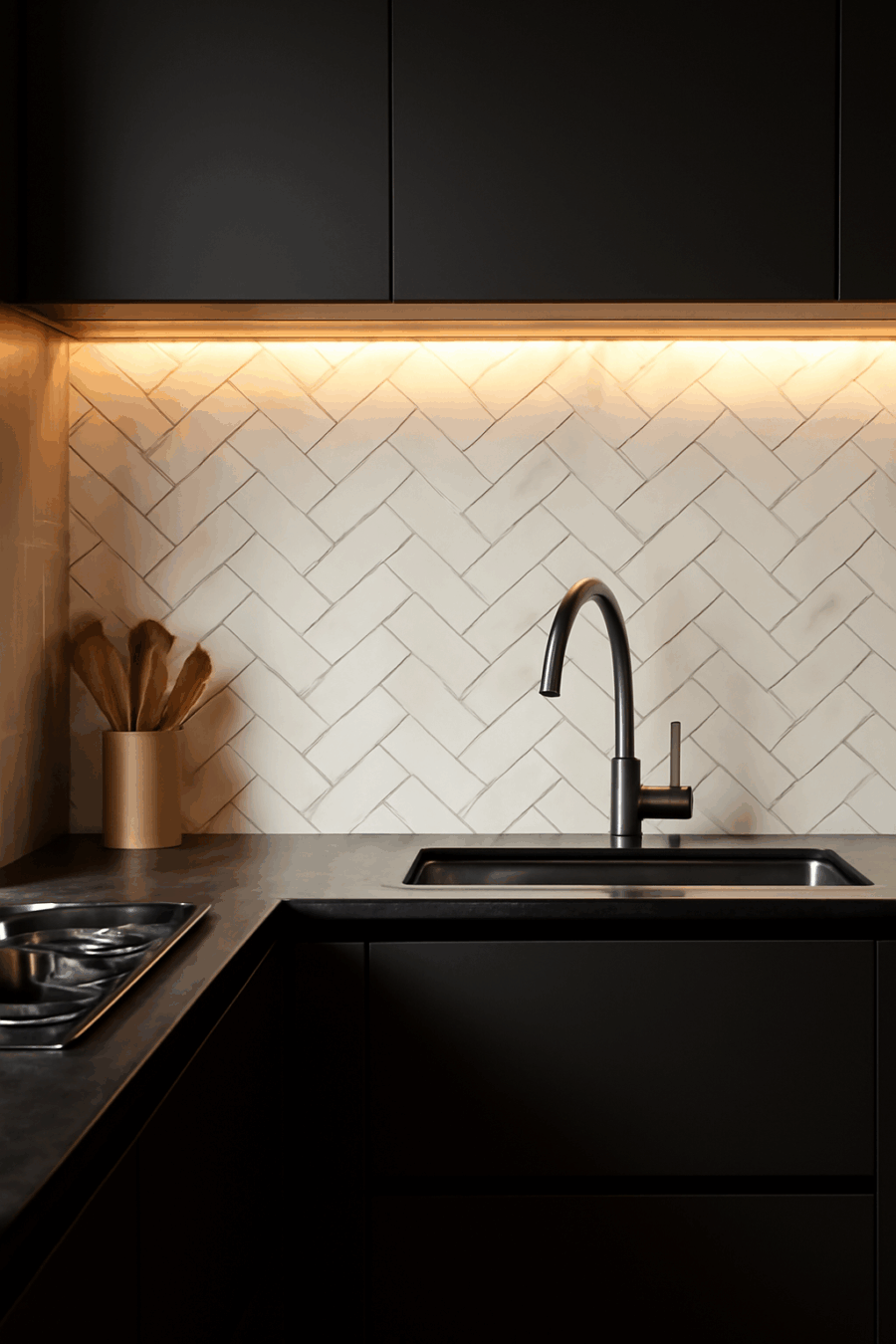
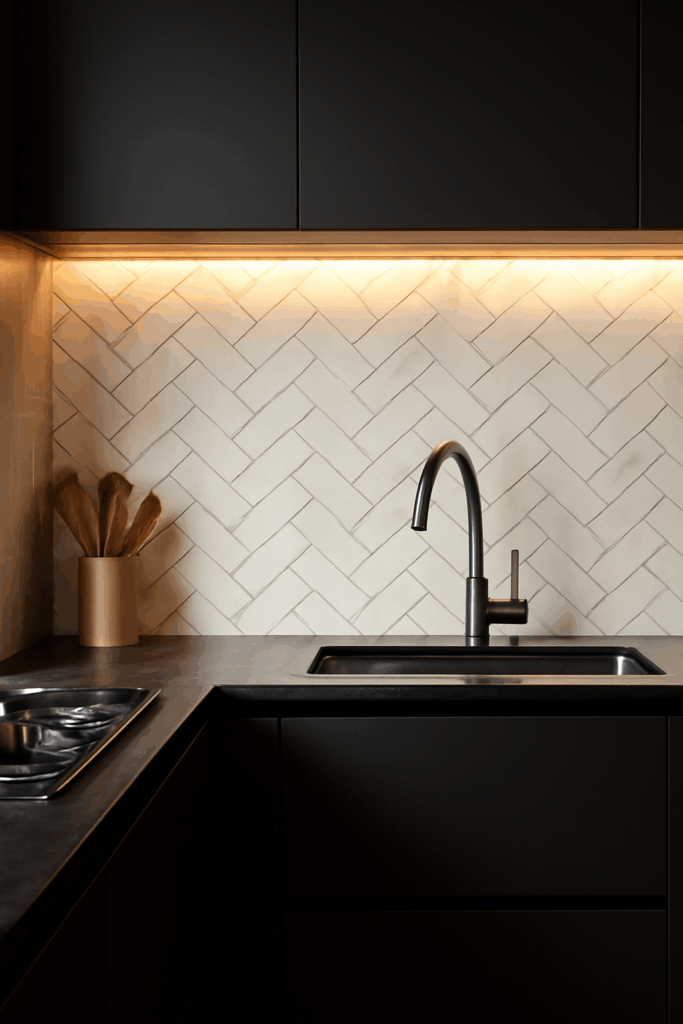
A herringbone splashback instantly elevates your kitchen, even if the rest of your design is simple. Classic white subway tiles in a herringbone layout remain a top trend, bringing a clean, crisp look with a designer touch.
2. Bold Coloured Splashbacks
Deep navy, emerald green, charcoal grey, and terracotta are 2025 favourites for statement splashbacks. When paired with the herringbone pattern, these colours create a striking focal point that feels modern and artistic.
3. Timber-Look Herringbone Flooring
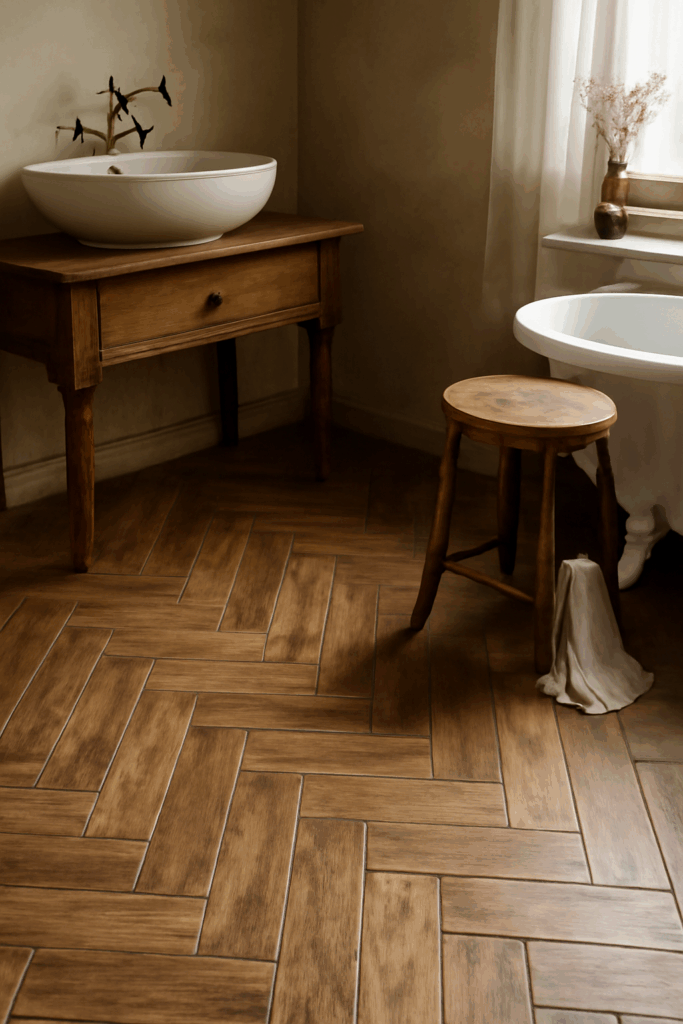
Porcelain tiles that mimic timber arranged in herringbone style give kitchens the warmth of wood with the water-resistant durability of porcelain. This is ideal for busy family homes.
4. Mixed-Material Textures
Combining matte herringbone tiles with glossy accents or vice versa adds depth. This works especially well in kitchens with open shelving or minimalist cabinetry.
✨ Herringbone Tile Ideas for Bathrooms
1. Shower Walls in Herringbone
A full herringbone shower wall creates a luxurious spa-like atmosphere. Choose marble-effect tiles for elegance or soft pastels for a serene boutique feel.
2. Small Bathroom Floors
Micro herringbone mosaic tiles are trending for small bathrooms because they add pattern without overwhelming the space. Lighter shades like greige, cream, and pale sage make rooms feel larger.
3. Vertical Herringbone for Height
Installing herringbone vertically elongates the room, making low ceilings appear taller—a great trick for compact bathrooms.
4. Accent Niches and Borders
Using herringbone tiles inside a shower niche or around a bathtub adds subtle luxury and helps define the space beautifully.
✨ Herringbone Tile Ideas for Living Rooms and Open Spaces
1. Herringbone Flooring as a Statement
One of the most popular living room trends for 2025 is porcelain or engineered wood flooring in a herringbone layout. It adds sophistication and warmth while remaining durable and easy to clean.
2. Feature Walls with Texture
Larger-format herringbone tiles or panels create stunning feature walls behind TV units, fireplaces, or open-plan living areas. Textured stone or matte ceramic works especially well.
3. Hallways and Entryways
A herringbone entryway creates a memorable first impression. Darker tones add drama, while lighter colours feel airy and welcoming.
4. Outdoor Living Areas
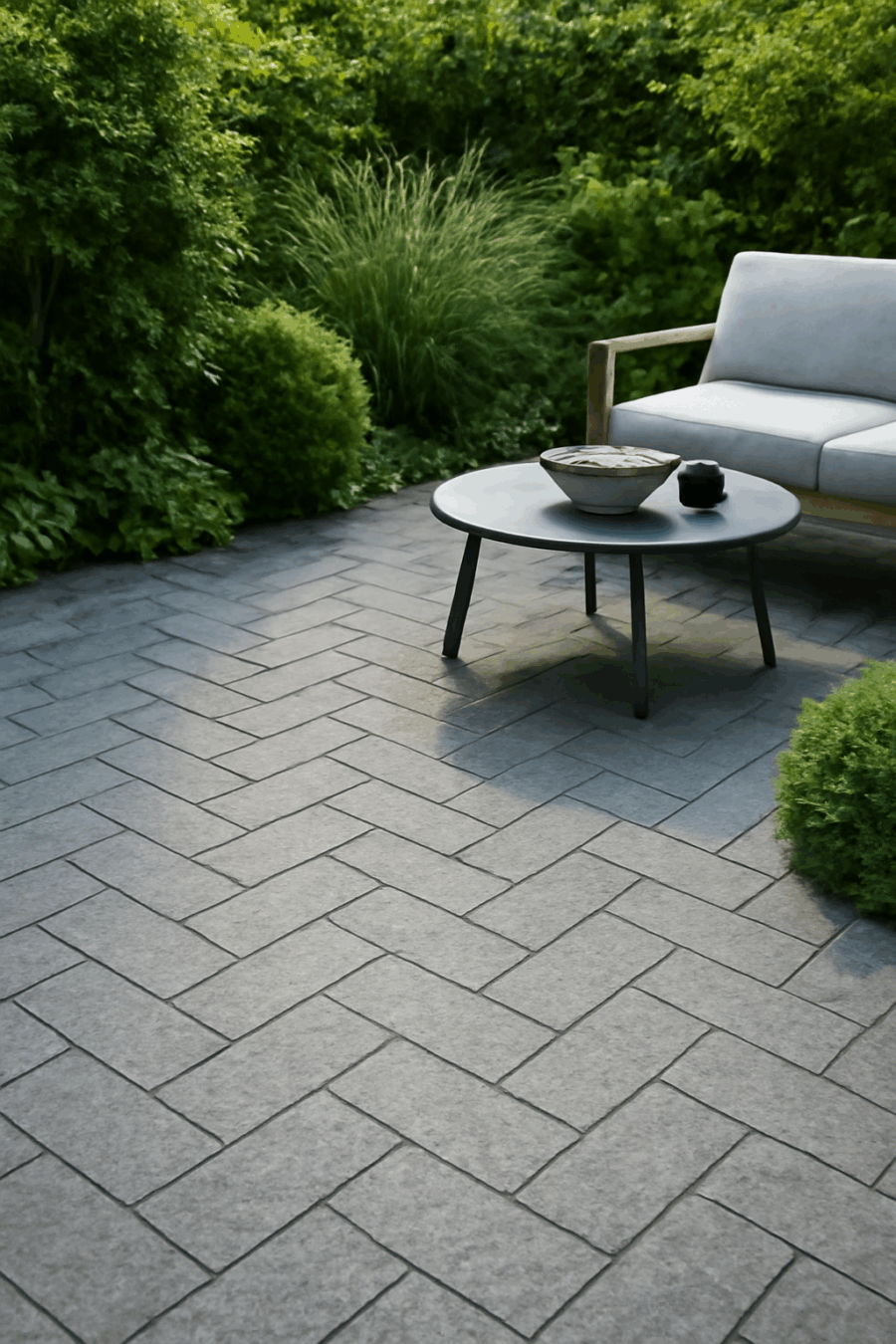
Porcelain outdoor tiles in herringbone patterns are becoming popular for patios and alfresco spaces, blending indoor and outdoor living beautifully.
Popular Herringbone Patterns, Materials, and Colours for 2025
⭐ Trending Herringbone Patterns
- Classic herringbone
- Double herringbone
- Broken herringbone
- Diagonal herringbone
- Vertical herringbone
- Micro herringbone mosaics
⭐ Popular Materials
- Porcelain (durable and versatile)
- Handmade-look ceramic tiles
- Marble and stone tiles
- Timber-look porcelain
- Terrazzo tiles
- Slate
- Glass mosaic tiles
⭐ Trending Colour Palettes for 2025
- Muted sage, eucalyptus green
- Soft blues and seafoam tones
- Terracotta and warm clay shades
- Pearl grey and creamy whites
- Dusty charcoal
- Matte black for bold designs
- Brushed metallic accents
These colour and material trends allow you to tailor your herringbone pattern to match both modern and classic design styles.
Pros and Cons of Herringbone Tiles
✔ Pros
- Adds luxury and texture
- Works in small and large spaces
- Pairs with nearly every design style
- Wide material and colour options
- Increases design value and resale appeal
✘ Cons
- More complex installation
- Requires careful alignment
- Slightly higher labour cost
- Mistakes are more visible than straight-lay patterns
Despite the added installation effort, the visual payoff often makes herringbone the star feature of a renovated space.
Styling Tips for Choosing the Right Herringbone Pattern
1. Consider Room Size
For small spaces, choose lighter colours and smaller tiles. In large rooms, oversized herringbone tiles create a bold, modern effect.
2. Think About Grout Colour
Matching grout blends the pattern softly, while contrasting grout highlights every line and angle. Choose based on whether you want subtlety or standout impact.
3. Choose the Right Direction
- Diagonal: modern and dynamic
- Vertical: adds height
- Horizontal: widens narrow spaces
- Classic orientation: timeless and elegant
4. Use Lighting to Highlight Texture
Wall lights, under-cabinet lighting, and natural sunlight all enhance the shadows and highlights in herringbone tiles.
5. Balance with Simple Décor
Because herringbone has natural movement, pair it with clean lines, minimalist finishes, and neutral tones for harmony.
FAQS
Tile size depends on the scale of your room and the look you want. Small bathrooms or splashbacks look best with smaller or micro tiles, which create a delicate, refined pattern. Larger rooms benefit from long, narrow tiles that create a bold, sweeping effect. Always match tile size to room proportions for balance.
Yes, herringbone is one of the best patterns for kitchen splashbacks because it adds detail and impact without overwhelming the space. The zigzag pattern enhances simple cabinetry and works beautifully with both modern and traditional kitchens. Whether you choose classic white tiles or bold colours, herringbone creates a designer-level finish.
Absolutely. Herringbone tiles create visual movement that tricks the eye into seeing a larger space. Diagonal or vertical layouts can elongate walls or floors, while lighter colours help open up small bathrooms or kitchens. When paired with minimalistic décor and good lighting, herringbone is a smart design choice for compact rooms.
Porcelain is the most popular choice because it’s durable, water-resistant, and available in many colours and textures, including timber-look designs. Marble and natural stone create a luxurious look but may require sealing. Ceramic is great for walls, while terrazzo adds a modern, textured feel perfect for contemporary homes.